
 EN
EN
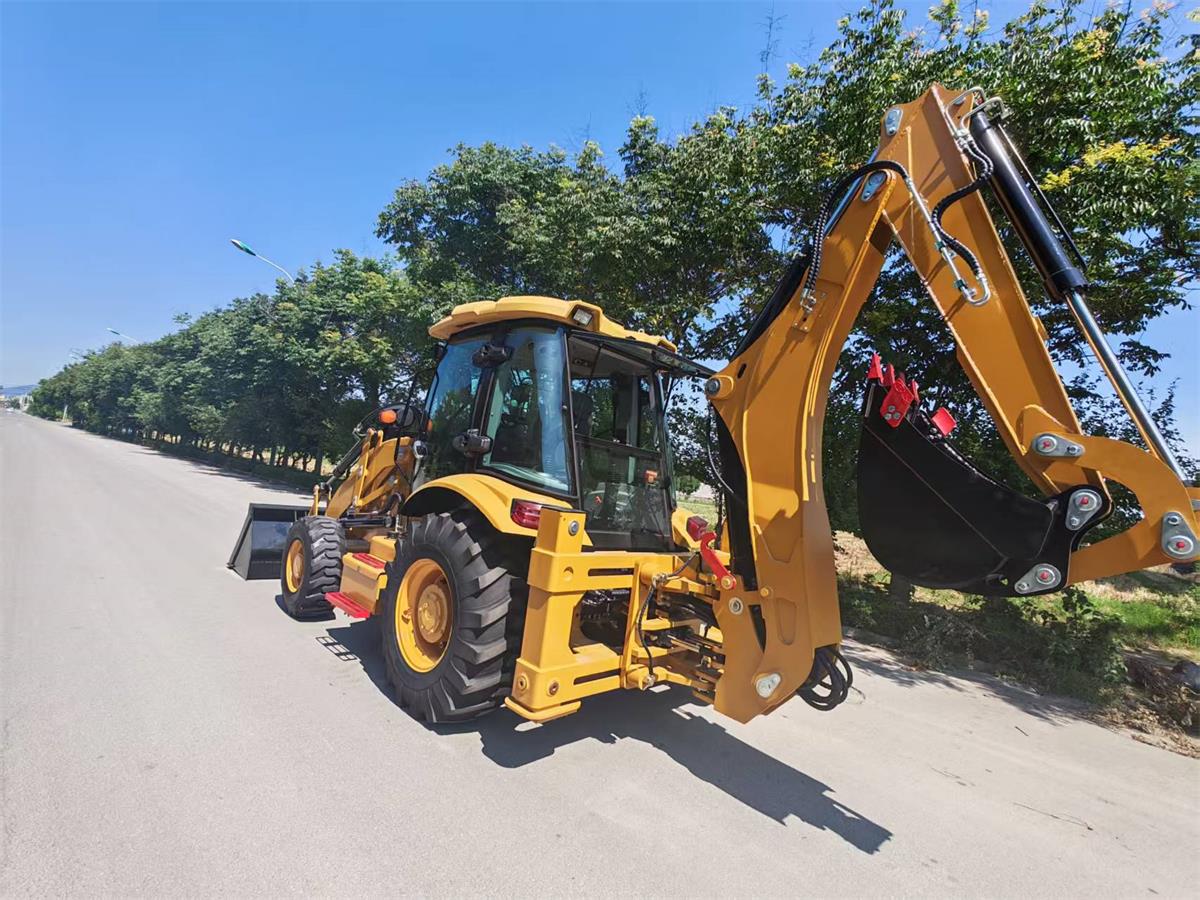
De keuze van de juiste lader voor uw project heeft direct invloed op de bouwefficiëntie, de bedrijfskosten en de naleving van voorschriften. Laders zijn kernbouwmachines die veelvuldig worden gebruikt voor gemeentelijke werken, weg- en straatbouw, mijnbouw en het hanteren van bulkmaterialen.
Van compacte stedelijke laders tot zwaar belaste mijnbouwmodellen: verschillende laderformaten leveren gerichte prestaties voor specifieke werklocaties. Deze SEO-geoptimaliseerde gids classificeert laders te koop op basis van capaciteit en toepassing , analyseert toonaangevende wereldmerken en geeft een overzicht van regionale markttrends om kopers te helpen kosteneffectieve, wet- en regelconforme laders te selecteren.
1. Compacte laadmachines (3–5 ton): ideaal voor stedelijke en gemeentelijke projecten
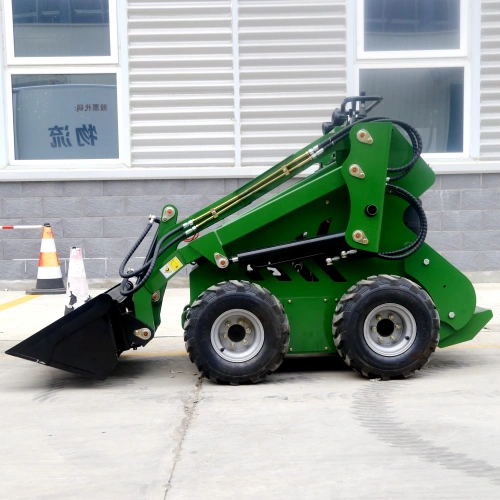
Compacte schrankstuurders en kleine wielloaders met een laadvermogen van 3–5 ton zijn de meest populaire machines voor stedelijke infrastructuur- en gemeentelijke onderhoudswerkzaamheden.
Door hun uiterst compacte carrosserie, kleine draaicirkel en lage grondruk kunnen ze flexibel worden ingezet op smalle straten, trottoirs en aangelegde gebieden. Typische gemeentelijke toepassingen zijn sneeuwruiming, het opvullen van nutsleidingengraven, wegverbetering en stedelijke renovatie.
Alle moderne compacte laadmachines voldoen aan Stage V / Tier 4 Final emissienormen , waardoor ze voldoen aan strenge stedelijke milieuvoorschriften. Ze zijn uitgerust met intuïtieve joystickbediening en snelle koppelingssystemen, waardoor snel kan worden gewisseld tussen verschillende werktuigen — zoals bakken, veegmachines, borstels en grepers — wat een maximale gebruiksmogelijkheid over alle seizoenen heen garandeert.
Wielgeladen compacte laadmachines bieden snelle overbrenging op locatie, terwijl rupsgeladen versies betere tractie bieden op zachte, modderige en ongelijke ondergronden. Met de snelle uitbreiding van slimme stadsrenovaties blijft de markt voor compacte laadmachines groeien met meer dan 5% per jaar .
Gemeentelijke wagensparken en kleine aannemers kiezen veelal voor gecertificeerde tweedehands compacte laadmachines om budgetten te verlagen, zonder in te boeten op betrouwbare prestaties. Ingebouwde telematica ondersteunt real-time bewaking van locatie, brandstofverbruik en gewerkte uren, waardoor wagenparkbeheerders de planning voor meerdere projecten kunnen optimaliseren.
2. Middelgrote laadmachines (6–10 ton): kernmateriaal voor wegconstructie en terreinontwikkeling
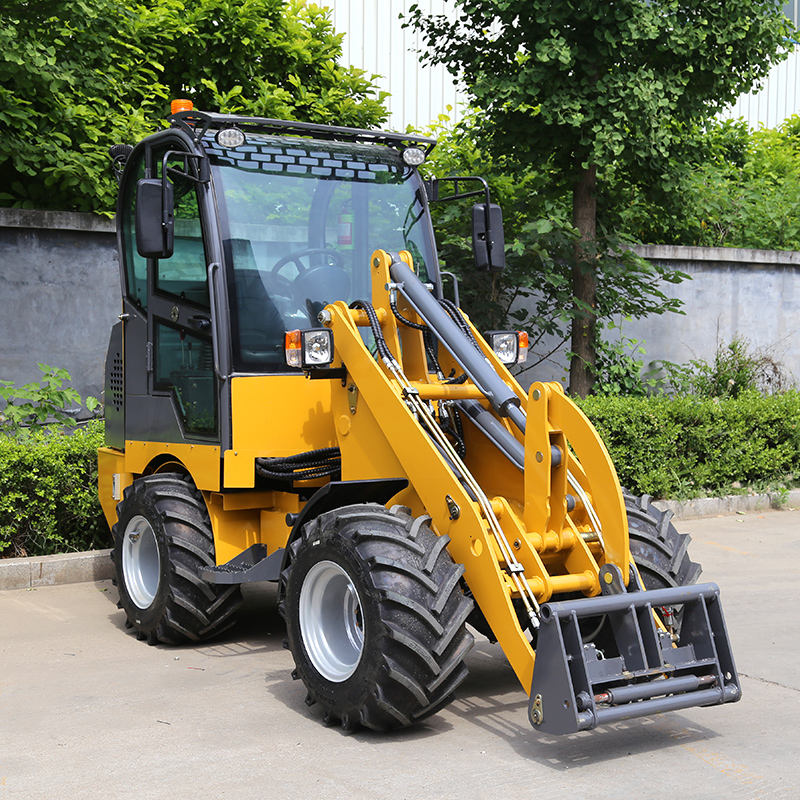
Middelgrote wielgeladen laadmachines met een laadvermogen van 6–10 ton vormen de ruggengraat van wegconstructie-, terreinafvlaktings- en algemene terreinontwikkelingsprojecten.
Met een sterke uittrekkraft en snelle hydraulische cyclus verwerken deze laadmachines efficiënt grond, aggregaten, asfalt en bouwafval. Ze spelen een dominante rol bij civieltechnische projecten zoals leidingslegging, opslag van materiaal en het laden van vrachtwagens.
In vergelijking met kruipmachines bieden middelgrote wielladers snellere mobiliteit en lagere totale eigendomskosten op vlakke, afgewerkte bouwterreinen. Belangrijke configuraties zoals hydrostatische transmissie, belastinggevoelige hydrauliek en Tier 4 Final/Stage V-motoren verbeteren de brandstofefficiëntie en het bestuurderscomfort aanzienlijk.
Ingebouwde weegsystemen voorkomen bovenbelastingsboetes, terwijl achteruitrijcamera’s en objectdetectiesystemen de veiligheid op de bouwplaats aanzienlijk verbeteren. Dankzij telematica-gebaseerd voorspellend onderhoud verminderen middelgrote laders ongeplande stilstand effectief — een cruciaal aspect bij tijdgebonden infrastructuurprojecten voor wegen.
De voortdurende uitbreiding van snelwegen en verstedelijking in opkomende markten blijft een sterke vraag naar middelgrote laders in de hand werken.
3. Laders met hoge capaciteit (15+ ton): mijnbouw, steengroeven en bulkmateriaalhantering
Laders met hoge capaciteit op rupswielen en grote wielladers (15 ton en meer) zijn ontworpen voor zwaar werk in de mijnbouw, steengroeven, havenlogistiek en bulkmateriaalhantering.
Uitgerust met krachtige motoren van meer dan 500 pk verplaatsen deze zware laadmachines efficiënt overdekking, gesprengd gesteente, ijzererts en grote hoeveelheden bulkmaterialen. Rupslaadmachines presteren stabiel op steile, schurende en onstabiele terreinen, terwijl grote wielloaders uitblinken bij stapelbeheer en het laden van vrachtwagens.
Versterkte zwaarlastemmers, verdikte assen en professionele koelsystemen voor hoge temperaturen garanderen continue werking in stoffige, intensieve mijnbouwomgevingen.
Standaard telematicasystemen bewaken de hydraulische status, slijtage van onderdelen en real-time laadgegevens om voorspellend onderhoud te ondersteunen en productiestilstand tot een minimum te beperken. Één hoogcapaciteitslaadmachine kan meerdere kleine machines vervangen, waardoor het brandstofverbruik en de arbeidskosten per ton effectief worden verlaagd.
Gedreven door de wereldwijde vraag naar mineralen en nieuwe energiegrondstoffenmijnbouwprojecten blijft de markt voor hoogcapaciteitslaadmachines groeien. Branchedata voorspelt 15% van de nieuwe mijnbouwlaadmachines zal tegen 2027 semi-autonoom opereren , met vermoeidheidsdetectie en hellingregeling als standaardveiligheidsconfiguraties.
4. Top wereldwijde ladersfabrikanten en kernconcurrentievoordelen
Caterpillar, Volvo CE en CASE zijn de drie meest invloedrijke ladermerken op de wereldmarkt, met kernvoordelen op het gebied van algehele prestaties, betrouwbaarheid en service na verkoop.
Uitstekende operationele prestaties en betrouwbaarheid
Fabrikanten van topklasse optimaliseren het brandstofverbruik, de reactiesnelheid van het hydraulisch systeem en de MTBF (gemiddelde tijd tussen storingen), waardoor effectief de kosten per ton — de meest cruciale KPI voor kopers van laders. Volgens Ken Research, die een waarde van 37 miljard dollar toeschrijft aan de wereldwijde ladermarkt, groeit deze markt voortdurend door de verspreiding van intelligente telematica- en automatiseringstechnologie.
Wereldwijd service- en onderdelenondersteuningsnetwerk
De concurrentiekracht van een merk hangt grotendeels af van de servicecapaciteit na verkoop. Caterpillar, Volvo CE en CASE onderhouden uitgebreide regionale servicenetwerken, die meer dan 90% van de wereldwijde bouwgebieden binnen een servicestraal van twee uur bestrijken.
Levering van originele onderdelen garandeert een snelle levering binnen 4 uur in stedelijke gebieden, waardoor vertragingen in projecten door tekorten aan onderdelen worden voorkomen.
Intelligente onderhoudsoplossingen verminderen stilstandtijd
Ingebouwde telematica registreert in real time de motorbelasting, hydraulische temperatuur, stationaire tijd en filterstatus. Voor vaak gebruikte laadmachines vermindert voorspellend onderhoud het percentage ongeplande reparaties met 25%, wat aanzienlijke voordelen oplevert voor de totale eigendomskosten (TCO).
5. Regionale markttrends die de verkoop en specificaties van laadmachines beïnvloeden
Azië-Pacifisch gebied: Expansie van infrastructuur stimuleert vraag naar compacte laadmachines
Volgens gegevens van de Asian Development Bank uit 2023 groeit de infrastructuurinvestering in Azië-Pacifisch gebied jaarlijks met 8,2%, gestimuleerd door metroconstructie, ontwikkeling van slimme steden en verbredingsprojecten voor snelwegen.
Overvolle stedelijke bouwomgevingen gunnen sterk compacte, brandstofefficiënte en lage-emissie laadmachines lokale gemeentelijke regelgeving vereist in toenemende mate hybride en lage-vervuilings-aandrijfsystemen. Verhuur- en engineeringvloten hebben een grote vraag naar kleine laadmachines van 1,5–3,5 ton met joystickbesturing en snelkoppelfuncties.
ASEAN-grensoverschrijdende snelwegprojecten bevorderen verder de verspreiding van intelligente compacte laadmachines, die nu standaarduitrusting zijn voor openbare aanbestedingsprojecten.
Noord-Amerika en Europa: emissienormen stimuleren upgrades naar intelligente laadmachines
Strikt Tier 4 Final (VS) en Stage V (EU) emissieregelgeving versnelt de vervanging van lokale machines. Volgens gegevens van Diesel Progress 2024 stijgt de verkoop van intelligente laadmachines in volwassen markten met 15% ten opzichte van het voorgaande jaar.
Intelligente laadmachines met telematica registreren in real time het brandstofverbruik, de status van de DPF en de motorbelasting, waardoor aannemers kunnen voldoen aan de overheidsvoorschriften voor openbare projecten.
Europese stedelijke markten zien een snelle groei van elektrische en hybride laadmachines, aangepast aan geluidseisen en milieuvriendelijk bouwbeleid. Aan boord geïntegreerde weegsystemen en automatische hellingsregelsystemen verminderen materiaalverspilling en herwerkzaamheden op de bouwplaats, waardoor Stage V/Tier 4-laadmachines een duurzame, kostenbesparende en conform investering vormen.
Veelgestelde vragen
Waar worden compacte laadmachines voor gebruikt?
Compacte laadmachines van 3–5 ton worden veelvuldig ingezet bij gemeentelijke onderhoudswerkzaamheden, sneeuwruiming, het opvullen van sleuven en herstelwerkzaamheden aan stedelijke wegen.
Waarom kiezen voor middelgrote laadmachines bij wegwerken?
middelgrote laadmachines van 6–10 ton beschikken over een sterke uitbreekkracht, snelle hydraulische cycli, hoge mobiliteit en lage bedrijfskosten, waardoor ze perfect aansluiten bij de behoeften van wegwerken en terreinontwikkeling.
Waar zijn hoogcapaciteitslaadmachines geschikt voor?
zware laadmachines van 15+ ton zijn ontworpen voor extreme werkomstandigheden zoals mijnbouw, steengroeven, bulkgoederenhantering in havens en grootschalige grondverplaatsing.
Welke zijn de beste merken van laadmachines wereldwijd?
Caterpillar, Volvo CE en CASE zijn marktleiders met betrouwbare prestaties, volledige servicenetwerken, ondersteuning met originele onderdelen en intelligente voorspellende onderhoudssystemen.
Hoe beïnvloeden emissienormen het moderne ontwerp van laadmachines?
De Tier 4 Final- en Stage V-normen dwingen fabrikanten tot de upgrade van lage-emissiemotoren, hybride aandrijving, telematica en intelligente bewakingssystemen voor betere naleving en efficiëntie.
Inhoudsopgave
- 1. Compacte laadmachines (3–5 ton): ideaal voor stedelijke en gemeentelijke projecten
- 2. Middelgrote laadmachines (6–10 ton): kernmateriaal voor wegconstructie en terreinontwikkeling
- 3. Laders met hoge capaciteit (15+ ton): mijnbouw, steengroeven en bulkmateriaalhantering
- 4. Top wereldwijde ladersfabrikanten en kernconcurrentievoordelen
- 5. Regionale markttrends die de verkoop en specificaties van laadmachines beïnvloeden
- Veelgestelde vragen