
 EN
EN
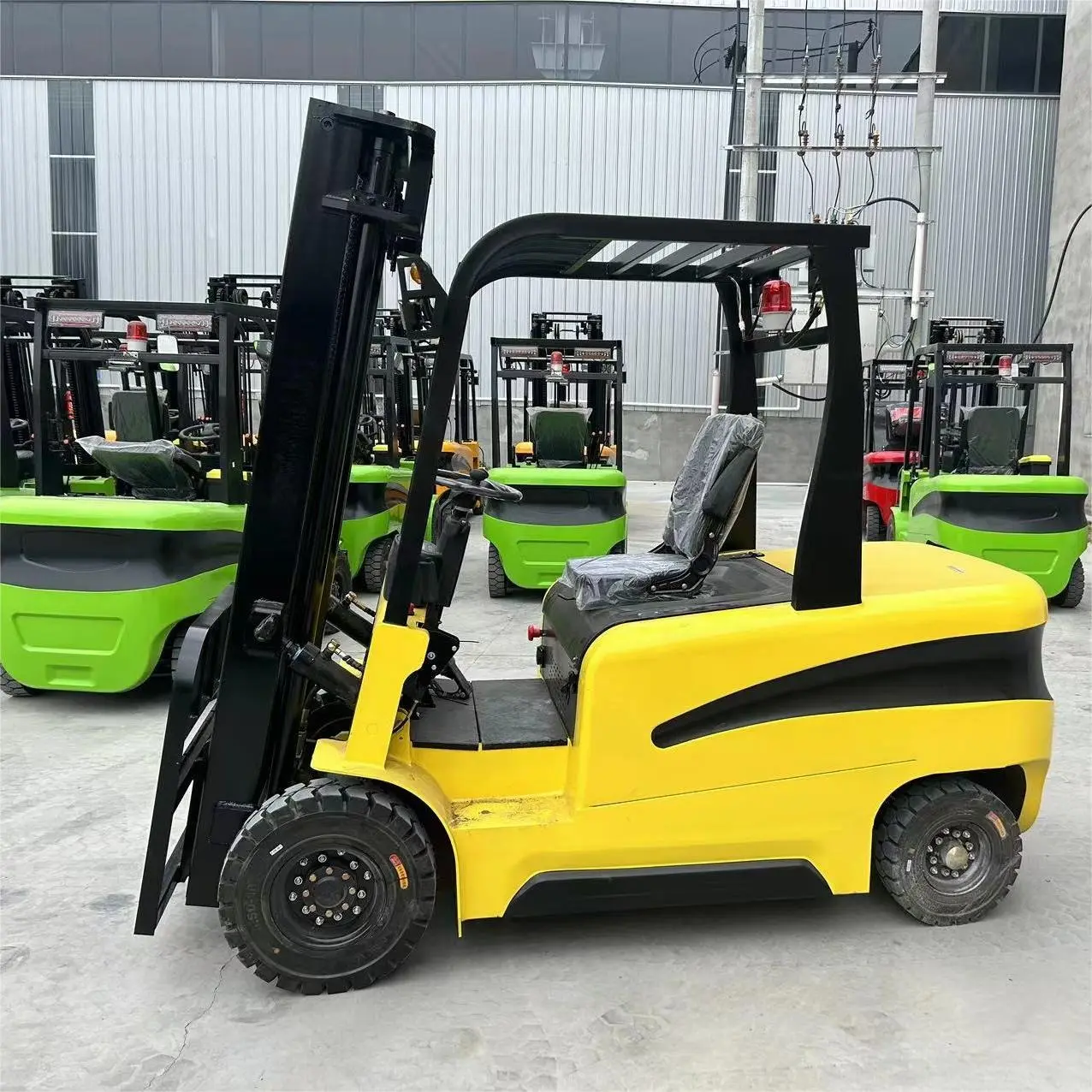
An electric forklift removes the exhaust and noise that make a closed warehouse unpleasant, which is why food, pharma, and e-commerce sites keep choosing it for indoor work. The machine trades a combustion engine for a battery and a sealed drivetrain, so the air stays clean and the aisles stay quiet through long shifts. For a sealed room, that difference decides whether staff can work a full shift without headache or hearing fatigue. Closed environments recirculate air, so any combustion source quickly spreads through the whole space and affects everyone on the shift, not just the operator.
A Real Indoor Air-Quality Case
Background and the Fume Complaint
The site first tested an electric forklift after a complaint about diesel fumes in a sealed food-storage room. Operators felt the headache and the lingering smell, and the ventilation system ran constantly yet never caught up with the exhaust from a single idling truck. The safety lead flagged the issue after a quarterly air check showed particulate levels above the comfort threshold near the pick faces. That threshold breach also threatened the site's food-safety certification, which would have blocked a major customer contract. The warehouse ran three shifts, so the complaint came from the night crew who spent the longest hours beside the idling truck, and their turnover had begun to climb.
The Solution — an Electric Forklift Fleet
Deploying an electric forklift fleet across two shifts replaced every combustion unit on the busy dock. Supervisors tracked charge cycles and fault codes for six weeks, then committed to a full swap once runtime per charge matched the longest shift without mid-day charging. They mapped charger points to the travel loop so operators never lost minutes hunting for a plug between tasks. A simple wall chart showed each truck its home charger, which removed the end-of-shift crowding that had slowed the old fueling bay. The data also revealed two docks where the old trucks idled most, which became the first to convert and proved the quiet case to skeptical veteran operators.
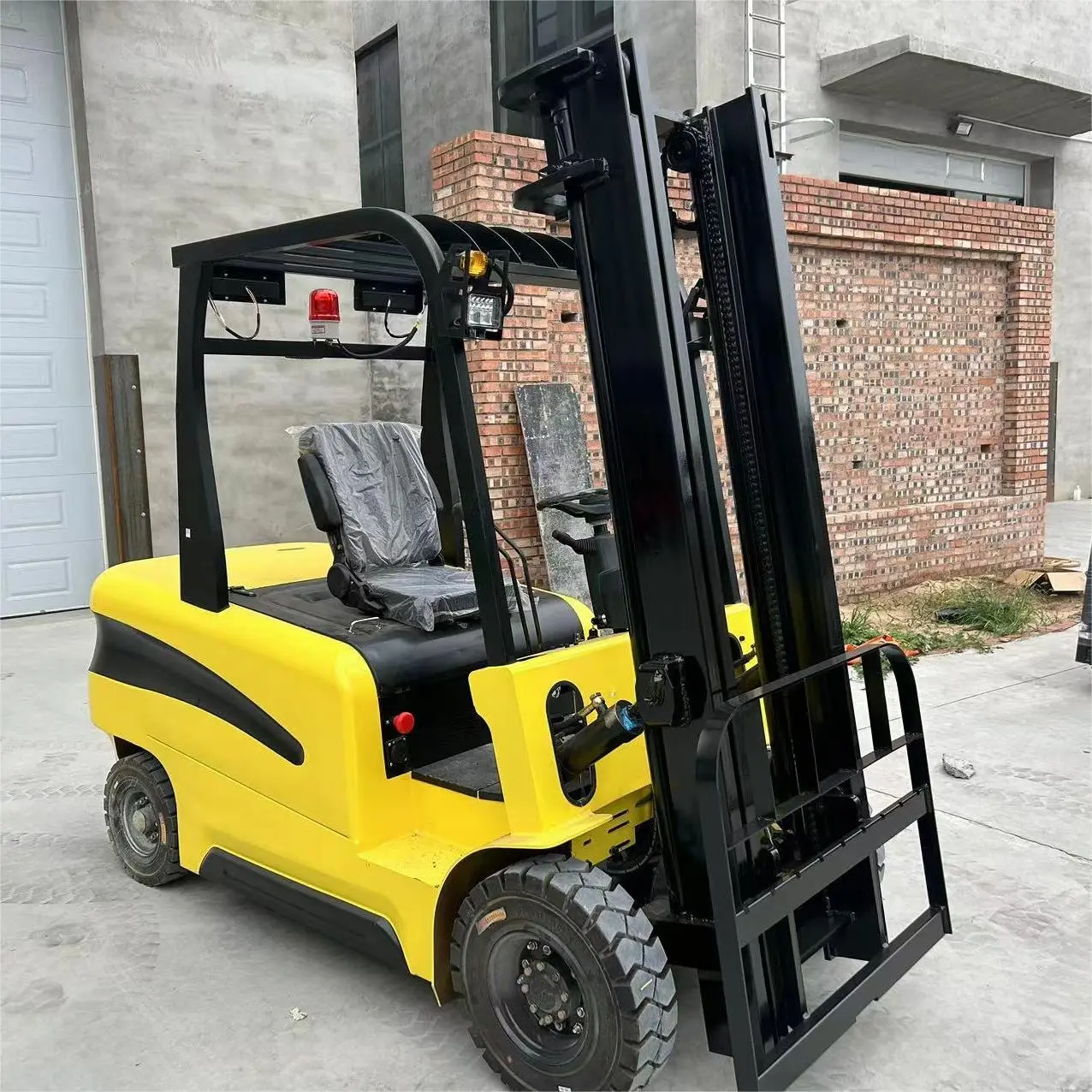
The Effect — Cleaner, Quieter Shifts
The truck cut noise near the pick faces and removed the exhaust entirely, so the ventilation load dropped and operators reported steadier focus. Throughput held, and the site passed its indoor air review without adding mechanical capacity. The facilities team also noted lower filter replacement frequency, because no soot now settled into the HVAC intake near the dock, and absenteeism tied to headache complaints fell during the trial month.
Why an Electric Forklift Fits Closed Spaces
No Exhaust, No Ventilation Load
Without an engine, the truck produces no exhaust and needs no exhaust scavenging, which simplifies the ventilation plan for a closed room. Emissions-free operation also protects stored food and sensitive stock from combustion byproducts that settle on surfaces and packaging. Where hygiene rules are strict, removing the combustion source removes an entire class of contamination risk from the receiving area, and it also lowers the insurance and compliance load that diesel storage normally carries.
Silent Operation Reduces Fatigue
Silent operation keeps conversation and warning calls audible on a busy dock, which lowers the mental load that builds over a shift. Lower noise also reduces the threshold for hearing protection in some layouts, so the indoor warehouse becomes a calmer, safer place to work. Operators on the trial reported they could hear a pallet warning from across the aisle, which had been impossible under the old engine note. That audible awareness reduced near-misses at intersections, where most indoor pedestrian incidents actually happen during a busy shift.
Sealed Drivetrain and Regenerative Braking
The sealed drivetrain of an electric forklift resists dust and moisture, while regenerative braking returns power to the battery on every deceleration. That recovery extends runtime per charge and reduces brake wear, which matters in a stop-start indoor environment where the truck rarely reaches high speed. Fewer open components also mean fewer points where indoor dust can enter and shorten component life. In a warehouse that also packages product, keeping the drivetrain sealed protects both the machine and the goods from cross-contamination.
Standards and Pre-Use Checks
OSHA 1910.178, ANSI, and ISO 3691
OSHA 1910.178 treats an electric forklift like any powered industrial truck and requires trained, evaluated operators, while ANSI and ISO 3691 guide safe design and stability, and ISO 12100 frames the risk assessment, with CE marking confirming conformity. A documented operator training plan covers startup, load limits, and emergency stop, and should be refreshed on a set schedule so new indoor staff follow the same routine as veterans. Keeping that record current also satisfies the site's own internal audit, which reviews powered equipment at every site inspection.
Battery Range and Floor Checks
Sizing the battery to shift length prevents the mid-day charging that strands operators and breaks the flow. Check floor load rating and aisle width against the truck's turning radius, and confirm the charger location sits inside the travel loop so the indoor warehouse stays efficient. A short pre-shift inspection of tires and brakes catches the small faults that, indoors, quickly become picking bottlenecks, and a logged charge routine keeps the fleet predictable across the week.
Summary
An electric forklift suits closed indoor warehouses because it produces no exhaust, runs with silent operation, and relies on a sealed drivetrain with regenerative braking. Train to OSHA 1910.178 and ANSI, verify the battery range, and confirm ISO 3691, ISO 12100, and CE before deployment. A short commissioning checklist that pairs the truck with its charger and its trained operator closes the loop and keeps the indoor benefit real from day one.
Frequently Asked Questions
Question
Are quiet battery-powered trucks right for closed rooms? An electric forklift suits closed indoor warehouses because it produces no exhaust and runs with silent operation, so the air stays clean and the aisles stay quiet. Emissions-free operation protects stored food and stock from combustion byproducts. Training under OSHA 1910.178 and a checked battery range keep the deployment safe and steady across long shifts.
Question
Do battery models need special ventilation? Without an engine, the truck creates no exhaust, so a standard warehouse ventilation plan is usually enough for a closed room. The site still needs good general airflow, but the mechanical load drops compared with combustion units. Confirm local indoor air rules and keep charger areas vented as the battery maker specifies for safe daily operation.
Question
How loud is the indoor operation? The drive is quiet enough that coworkers can speak and hear warning calls on a busy dock, which lowers fatigue over a long shift. Exact levels vary by tire type and floor, but silent operation removes the engine note that dominates combustion trucks. A noise check during the trial confirms the indoor warehouse stays within comfortable limits for staff.
Question
What standards apply to indoor electric trucks? OSHA 1910.178 covers powered industrial trucks and requires trained operators, while ANSI and ISO 3691 guide design and stability, and ISO 12100 frames risk assessment with CE marking for conformity. Buyers should ask for these documents and align the truck with the site's indoor air and safety rules before use on the floor.
Question
How should the battery be planned for shifts? Size the battery to the longest shift so the truck never stops mid-day for charging, and place the charger inside the travel loop to avoid dead trips. Regenerative braking extends runtime, but cold rooms and heavy loads reduce capacity, so spec a margin and train operators to watch the state-of-charge during busy periods on the dock.
Question
Can the battery model replace diesel indoors? Yes, for most indoor warehouse tasks the electric truck matches diesel capacity while removing exhaust and noise, which simplifies ventilation and improves comfort. Diesel still fits outdoor or heavy continuous duty, so the choice follows the working condition rather than habit. A short trial on the busiest dock confirms the fit before a full fleet swap.