
 EN
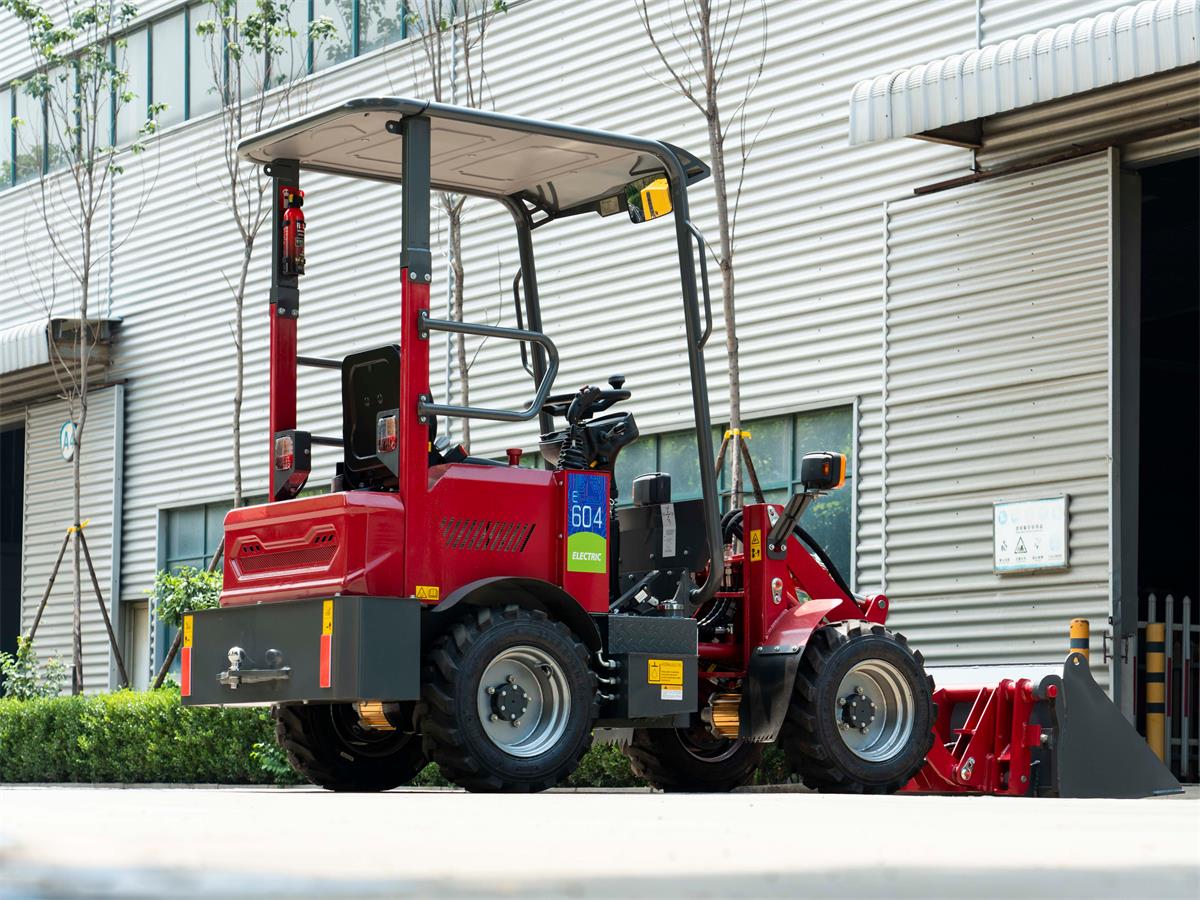
A track skid steer replaces four tires with a continuous rubber or steel track, changing how force reaches the ground. On abrasive sites this layout often lowers surface pressure and slows component wear compared with a wheeled loader. The real question is not which design is universal, but where each wears faster and why. Ground contact, undercarriage load and terrain decide actual service life.
How ground contact shapes wear between track and wheel
Contact patch and surface pressure differences
A track skid steer places its weight across a long, flat contact patch rather than four narrow tire footprints. Lower ground pressure means each square inch of soil or gravel bears less load, so the surface erodes slower and the machine sinks less. Wheeled units concentrate force at the tread, raising local stress that accelerates rubber removal. Tracked design spreads the same machine mass over more area, a core reason tracked drive shows steadier wear on loose fill.
Why tracked drive spreads load for slower wear
For a track skid steer, the belt wraps around a frame of rollers and idlers, letting it flex over rocks instead of bouncing. That flex absorbs shock that would otherwise reach the chassis and wheel hub. Wheeled loaders transfer impact straight to the rim, where repeated hits crack beads and bend steel. On broken ground the continuous track keeps more rubber on the surface, reducing the chatter that chews tires. Lower vibration also protects hydraulic lines and the operator seat.
Wear mechanisms unique to each undercarriage
Rubber track abrasion and steel cord fatigue
A track skid steer used on rocky duty wears the belt by two paths: outer tread loss from scraping, and internal steel cord fatigue from bending. Sharp aggregate cuts the lug surface; constant flexing slowly weakens the cords until the belt stretches. A terrain loader worked daily on crushed stone sees faster tread loss than one on soil. Inspecting for exposed cords and uneven stretch catches failure early. Operators reduce this by avoiding sharp turns on hard pavement, where the track scrubs instead of rolling.
Tire tread wear and rim impact damage
Wheeled skid steers lose tread through scrubbing during zero-radius turns, the same maneuver that defines the machine. Each pivot drags rubber sideways, heating the compound and ripping chunks on debris. Hidden damage appears at the rim: impact bends flanges and breaks bead seals, letting pressure drop. Because a wheel carries the full corner load, one bad hit can end a tire. A track skid steer avoids rim damage by spreading load, though its track still wears at edges from turning.
Lifespan across common job terrains
Durable performance on rocky and abrasive sites
On demolition rubble and quarry access roads, a track skid steer typically outlasts a wheeled unit before major service. The continuous track tolerates cutting edges and buffers the chassis from repeated shock. Wheeled models need earlier tire swaps and more rim repairs in the same duty. For owners who track operating cost, fewer tire changes mean less downtime and steadier productivity. Experience from a regional landscaping crew shows the gap: they ran wheeled loaders moving stone along private gravel drives and replaced shredded tires every few weeks. Switching to a tracked model spread the load across a wider patch, removing the sideways scrub that tore tread. Within a season, tire-related downtime fell to near zero and grading speed rose on the same routes.
Expected service life on graded and paved ground
On finished lots, asphalt and compacted base, wear patterns partly reverse. Smooth surfaces let tires roll without cutting, so a wheeled loader can deliver long tread life with low rolling resistance. A track skid steer still wears from turning friction and heat, and a steel-embedded belt costs more to replace than a tire set. ISO 6165 classifies such compact equipment by duty, reminding buyers to match machine to ground. The durable choice depends on the weekly mix of sites a fleet faces, not on a single rule.
Selecting and inspecting for long-term durability
What to check before buying a terrain loader
Before choosing a track skid steer or wheeled unit, inspect the undercarriage first: measure track sag, roller play and idler wear on tracked versions, and check tire sidewalls and rim true on wheeled ones. Demand CE marking and review ANSI and OSHA-aligned guarding for the operator area. Confirm the coupler fits planned attachments such as a bucket or auger without extra adapters. A machine near the 1–2 ton class suits most residential and light commercial work. Ask the supplier for typical service intervals stated as general guidance, not fixed promises.
Operating habits that extend component life
On a track skid steer, keep proper track tension so the belt does not slip or overstretch; on wheeled units, hold correct inflation to avoid sidewall fold. Avoid pivoting in place on pavement, where scrubbing wastes rubber and track. OSHA 29 CFR 1926 and EN 474 frame safe conduct around earth-moving machinery, including stable loading and rated capacity limits. Smooth throttle control reduces shock to the chassis and hydraulic system, lengthening the life of every drive component.
Choosing between designs comes down to terrain and duty. A track skid steer earns its durability on abrasive, broken and loose ground where load spread slows wear, while wheeled models stay competitive on smooth graded sites with lower replacement cost. Match the undercarriage to the weekly mix of jobs, inspect it often, and the loader will return the longest practical service life.
Frequently Asked Questions
Question
Does a tracked model last longer than a wheeled one on gravel?
Answer: On gravel and crushed stone a track skid steer usually outlasts a wheeled unit before major service because the continuous track spreads load and cuts less tread. Wheeled tires scrub during zero-radius turns and lose rubber faster on sharp aggregate. Tracked belts still wear, yet replacement intervals tend to run longer in abrasive duty. Matching the undercarriage to site ground gives the steadiest durability and lower operating cost.
Question
Why do rubber tracks wear differently from tires?
Answer: Rubber tracks fail through outer tread scraping and internal steel cord fatigue from constant bending, while tires lose tread by sideways scrubbing and suffer rim impact damage. Tracks flex over rocks and protect the chassis, whereas wheels pass shock to the hub. Inspect tracks for exposed cords and uneven stretch, and check tire sidewalls for cuts. Reading these wear signs early prevents sudden failure and controls operating cost on a terrain loader.
Question
Which terrain favors a wheeled skid steer for durability?
Answer: Smooth finished lots, asphalt and compacted base let tires roll without cutting, so a wheeled loader can deliver long tread life with low rolling resistance. On such graded ground, tracks still wear from turning friction and heat, and a steel-embedded belt costs more to replace than a tire set. Matching the machine to its weekly site mix beats chasing one universal answer. ISO 6165 guides buyers to rate compact equipment by real duty.
Question
What should buyers inspect on the undercarriage before purchase?
Answer: Inspect track sag, roller play and idler wear on tracked units, and tire sidewalls with rim true on wheeled ones. Demand CE marking and review ANSI and OSHA-aligned operator guarding. Confirm the coupler accepts planned attachments such as a bucket or auger without extra adapters. A machine near the 1–2 ton class suits most light work. Ask suppliers for typical service intervals given as general guidance, not fixed promises, to gauge realistic durability.
Question
How do operating habits affect wear on both designs?
Answer: Keep correct track tension so the belt does not slip, and hold proper tire inflation to avoid sidewall fold. Avoid pivoting in place on pavement, where scrubbing wastes rubber and track. Smooth throttle control limits shock to the chassis and hydraulic system, extending drive life. OSHA 29 CFR 1926 and EN 474 frame safe conduct for earth-moving machinery, including rated capacity limits. Steady habits protect every component and stretch service intervals on a terrain loader.