
 EN
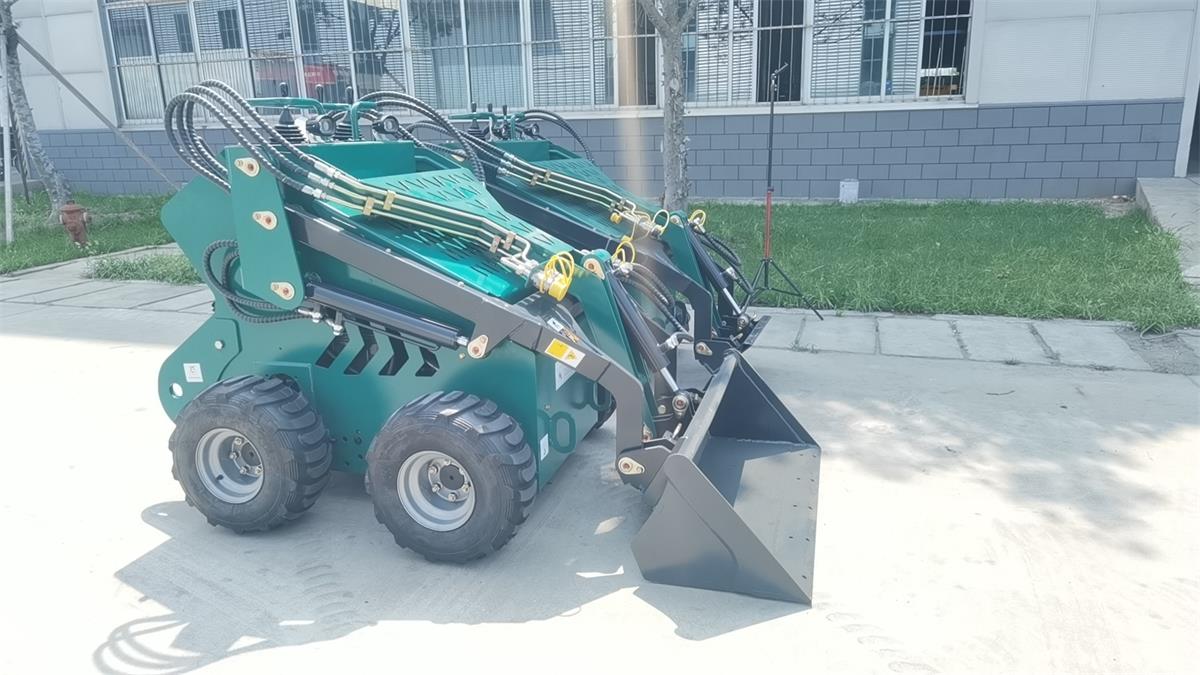
Mini Skid Steer Loaders: Hydrostatic Performance, Multi-Attachment ROI, and Fleet Electrification
Key Takeaway: The modern mini skid steer loader functions as a highly versatile hydraulic power plant on tracks. To maximize equipment ROI and fleet utilization, buyers must prioritize hydrostatic closed-loop circuit flow rates, adopt universal mounting compliance (SAE J2513), and transition to lithium-iron-phosphate (LFP) electric powertrains for high-margin indoor and municipal operations.
⚖️ The Hydrostatics of Zero-Turn Maneuverability in Urban Infill Sites
The maneuverability of a mini skid steer loader is governed by independent hydrostatic closed-loop drive circuits. Understanding this hydraulic flow distribution is critical for precise control in tight quarters.
In a premium mini skid steer, a tandem variable-displacement axial piston pump supplies pressurized hydraulic oil independently to the left and right high-torque radial piston wheel motors. This configuration allows for:
-
Counter-Rotation: By driving one track motor forward while reversing the other, the machine pivots on its exact geometric center. This reduces the turning radius to the physical length of the chassis, permitting operations inside 36-inch residential gate openings.
-
Dynamic Response: Unlike gear-pump mechanical steer systems, hydrostatic closed-loop circuits deliver proportional flow to the track motors. This prevents jerky start-stop transitions, reducing tire or track scuffing on decorative stone pavements and manicured turf.
-
Speed-Sensing Power Management: Modern systems dynamically adjust drive motor displacement based on load resistance. When digging into compacted gravel, the system increases torque output while reducing travel speed, preventing engine stalling under high tractive resistance.
? Attachment Versatility: Engineering the Hydraulic Workhorse
A mini skid steer loader is only as productive as the attachment mounted on its front lift arm. Achieving high tool utilization requires understanding auxiliary hydraulic flow rates and interface compliance standards.
| Hydraulic Configuration | Flow Rate and Pressure | Target Attachment Tools | Core Operational Benefit |
|---|---|---|---|
| Standard-Flow Auxiliary | 9 to 13 GPM at 3,000 PSI | Buckets, light utility trenchers, augers, pallet forks. | Lower hydraulic oil temperatures; ideal for low-duty landscaping. |
| High-Flow Auxiliary | 14 to 18 GPM at 3,250 PSI | Hydraulic breakers, cold planers, snow blowers, brush cutters. | Maximum torque transmission; essential for asphalt prep and tree clearing. |
The SAE J2513 Attachment Standard
To prevent equipment redundancy, modern mini loaders utilize quick-attach plates compliant with the SAE J2513 international standard. This universal mounting interface allows a single operator to lock, secure, and pressurize over 50 different attachments from varying manufacturers within two minutes, entirely bypassing the need for dedicated, single-purpose machines.
? Electrification and Innovation: The Shift to Battery-Powered Fleets
The rapid adoption of battery-electric mini skid steers represents a major shift in indoor demolition and municipal maintenance logistics.
       [Fleet Electrification Cost and Operational Analysis]

          [High-Capacity LFP Battery Pack] (48V to 96V)
                         │
          ┌──────────────┴──────────────┐
          ▼                             ▼
     [Indoor Demolition]          [Municipal Service]
  - Zero exhaust emissions     - Ultra-low decibel output
  - Permits basement digs     - Night-shift street sweeping
Lithium-Iron-Phosphate (LFP) Battery Chemistry
Modern electric mini loaders utilize high-capacity LFP chemistry, which provides significant advantages over traditional lead-acid batteries:
-
Long Cycle Life: LFP cells routinely exceed 3,000 charge-discharge cycles at 80% depth of discharge (DoD) before experiencing capacity decay, outlasting lead-acid systems by a factor of four.
-
Thermal and Chemical Stability: LFP chemistry is highly resistant to thermal runaway, ensuring safe operation during high-draw hydraulic breaker tasks inside enclosed basements.
-
Rapid Charging Capabilities: Integrated 240V on-board chargers can restore battery state of charge from 20% to 80% during a standard 45-minute lunch break, ensuring full-shift performance without operational interruption.
?? Field Case Study: Fleet Consolidation for a Central Florida Contractor
A commercial site services contractor in Orlando, Florida, managed a diverse fleet of specialized machines, including a 1.5-tonne mini excavator, a ride-on lawn mower, and a standard-size skid steer. Operating three distinct diesel engines resulted in high annual fuel expenses, complex maintenance schedules, and underutilized assets sitting idle in the yard.
The company consolidated its operations by replacing the ride-on mower and the full-size loader with a single 25-horsepower diesel mini skid steer loader equipped with high-flow auxiliary hydraulics and nine SAE J2513 attachments.
The Operational Impact:
-
Fleet Size Reduction: Total fleet asset count was reduced by 40% within 12 months.
-
Maintenance Savings: Annual filter, oil, and seal replacement costs dropped by $12,000 due to managing only one primary engine and hydraulic reservoir.
-
Transport Optimization: The entire package—loader, attachments, and support tools—was transported on a single tandem-axle trailer behind a 3/4-tonne pickup, eliminating the need for a medium-duty flatbed transport truck.
-
Asset Utilization: Daily machine running hours increased by 35% as the loader transitioned seamlessly from early-morning site clearing to afternoon trenching and final grading.
? Procurement and Fleet Management Decision Matrix
Before finalizing an acquisition plan for a mini loader fleet, equipment directors should run through this engineering checklist:
| Verification Parameter | Performance Benchmark | Field Verification Method |
|---|---|---|
| Mounting Plate Compliance | Compliant with SAE J2513 quick-attach standards | Measure lock-pin spacing and receiver plate wedge angle. |
| Auxiliary Hydraulic Oil Cooler | Integrated heavy-duty cooler with electric fan | Verify thermal dissipation capacity under continuous high-flow use. |
| Battery Safety Rating | IP67-rated enclosure for dust and water resistance | Review manufacturer’s certified test documentation for wet-weather use. |
| Lifting Control System | Proportional electro-hydraulic joystick controls | Physical test drive; verify multi-function boom and bucket response. |
Table of Contents
-
Mini Skid Steer Loaders: Hydrostatic Performance, Multi-Attachment ROI, and Fleet Electrification
- ⚖️ The Hydrostatics of Zero-Turn Maneuverability in Urban Infill Sites
- ? Attachment Versatility: Engineering the Hydraulic Workhorse
- ? Electrification and Innovation: The Shift to Battery-Powered Fleets
- ?? Field Case Study: Fleet Consolidation for a Central Florida Contractor
- ? Procurement and Fleet Management Decision Matrix