
 EN
EN
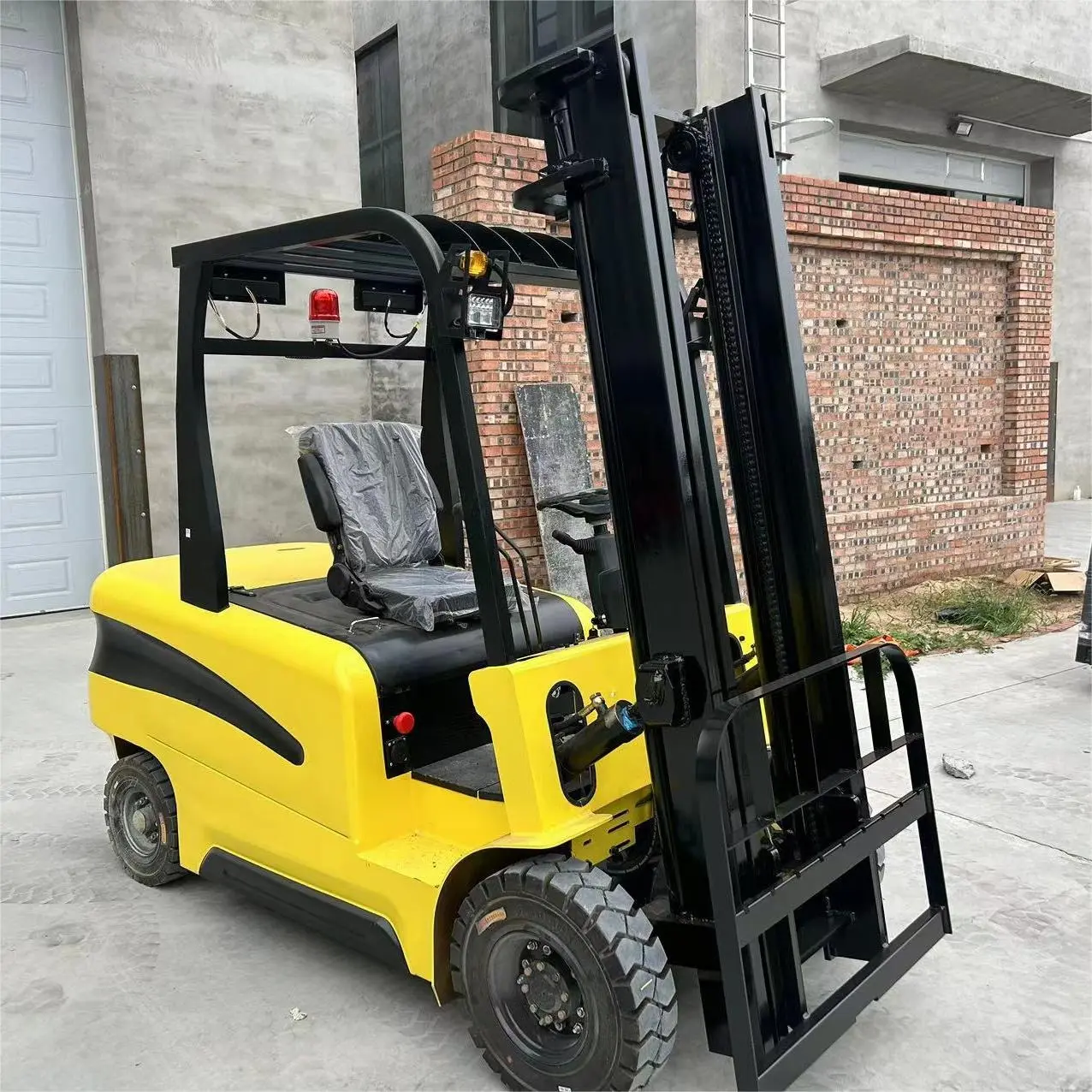
In the rapidly developing sectors of global supply chain management, heavy industrial warehousing, and fulfillment logistics, operational efficiency is no longer measured solely by pallet throughput velocities. Modern corporate sustainability metrics, driven by stringent carbon neutrality targets and aggressive environmental legislation, are forcing facility directors to re-evaluate their material handling strategies. Traditional internal combustion engines fueled by diesel or liquid petroleum gas (LPG) are quickly becoming liabilities inside high-density storage environments.
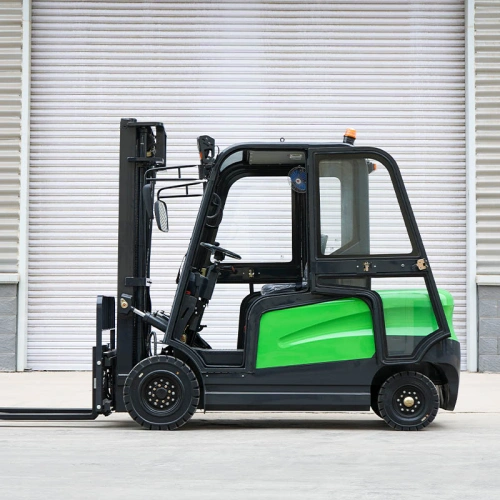
As a result, specifying an advanced electric forklift fleet has moved from a progressive corporate social responsibility initiative to a core operational mandate. Transitioning to electric drivetrains solves one of the most persistent bottlenecks in modern intralogistics: maintaining high-capacity, multi-shift moving operations without degrading indoor environments. For international logistics providers and fleet procurement managers, understanding the deep engineering and commercial advantages of battery-powered handling systems is essential for future-proofing distribution networks.
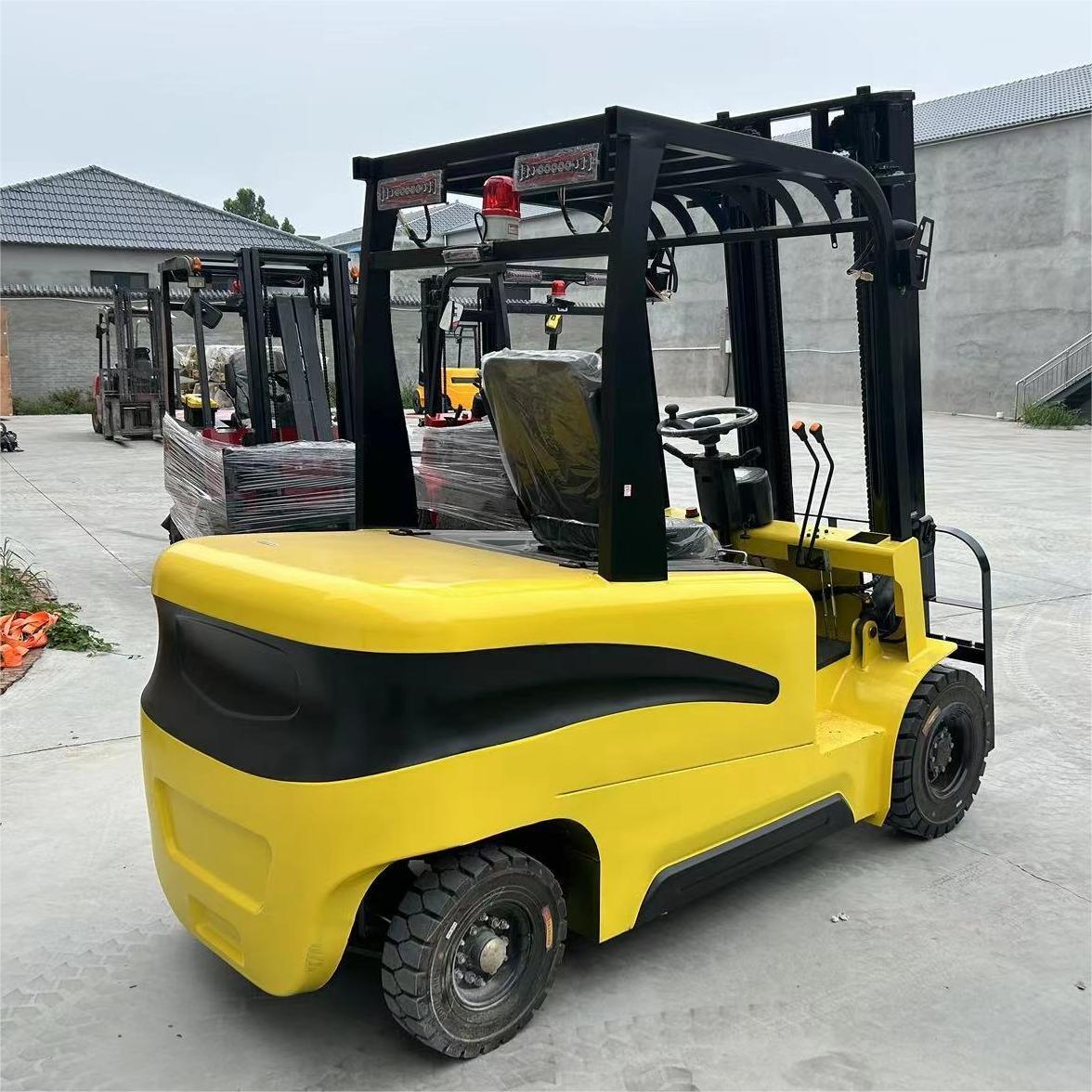
The Core Engineering behind Zero-Emission Material Handling
The mechanical secret behind achieving true zero-emission performance inside enclosed logistics hubs lies in the complete elimination of thermodynamic combustion processes. Unlike traditional internal combustion alternatives that rely on fossil fuel ignition—inevitably producing carbon dioxide, carbon monoxide, unburnt hydrocarbons, and fine particulate matter—electric propulsion relies on fully enclosed electrochemical energy storage.
Modern fleet architectures utilize highly advanced lithium-ion (Li-ion) chemistry or heavy-duty tubular lead-acid battery cells coupled with high-efficiency alternating current (AC) drive motors. This configuration ensures that during operation, energy transfer occurs via solid-state electronics without any chemical byproducts escaping into the surrounding environment. Furthermore, these electric powertrains integrate highly efficient regenerative braking systems, converting kinetic energy back into electrical current during deceleration, which directly extends battery life per charge cycle while removing mechanical friction dust from the warehouse air.
Enhancing Indoor Air Quality and Workplace Safety Standards
Operating heavy machinery within confined, high-bay racking systems introduces significant air exchange challenges. According to industrial safety guidelines established by international bodies like the Occupational Safety and Health Administration (OSHA), maintaining low parts-per-million (PPM) thresholds for airborne toxins is mandatory to protect warehouse personnel from chronic respiratory issues.
Traditional combustion equipment requires continuous, expensive HVAC ventilation cycling to exhaust hazardous fumes out of the building envelope. By deploying an electric forklift infrastructure, facility operators eliminate this structural hazard entirely at the source. The absolute absence of tailpipe emissions safeguards worker health, drastically reduces acoustic pollution through near-silent motor operations, and eliminates the risk of product contamination, which is an exceptional necessity for firms managing cold-chain food storage or sensitive pharmaceutical distribution hubs.
Financial Blueprint and Operational Cost Realities
Transitioning a large-scale industrial fleet to sustainable power requires an analytical look at the total cost of ownership (TCO). While the initial capital expenditure for advanced electric material handling equipment and dedicated charging grids can be higher than basic diesel models, the long-term operational savings generate a highly favorable financial trajectory.
| Core Fleet Cost Vectors | Internal Combustion (Diesel/LPG) Fleets | Advanced Electric Fleet Infrastructure |
| Tailpipe Emissions Profile | High carbon dioxide and PM10 output | Absolute zero localized emissions |
| Energy Conversion Efficiency | Approximately 30% via thermal combustion | Over 85-90% via advanced AC drive motors |
| Scheduled Maintenance Intervals | Frequent fluid changes and engine tune-ups | Minimal moving parts, no engine overhauls |
| Acoustic Noise Pollution | High decibel output, requires hearing protection | Ultra-quiet operation, under 65 decibels |
By removing complex mechanical components like fuel injectors, catalytic converters, transmissions, and engine oil filtration loops, ongoing maintenance costs drop significantly. Electrical energy consumption remains far more stable and cost-effective than volatile petroleum markets, allowing corporate financial officers to project annual utility expenses with high precision while achieving substantial carbon offset credits.
Operational Efficiency across Multi-Shift Logistics
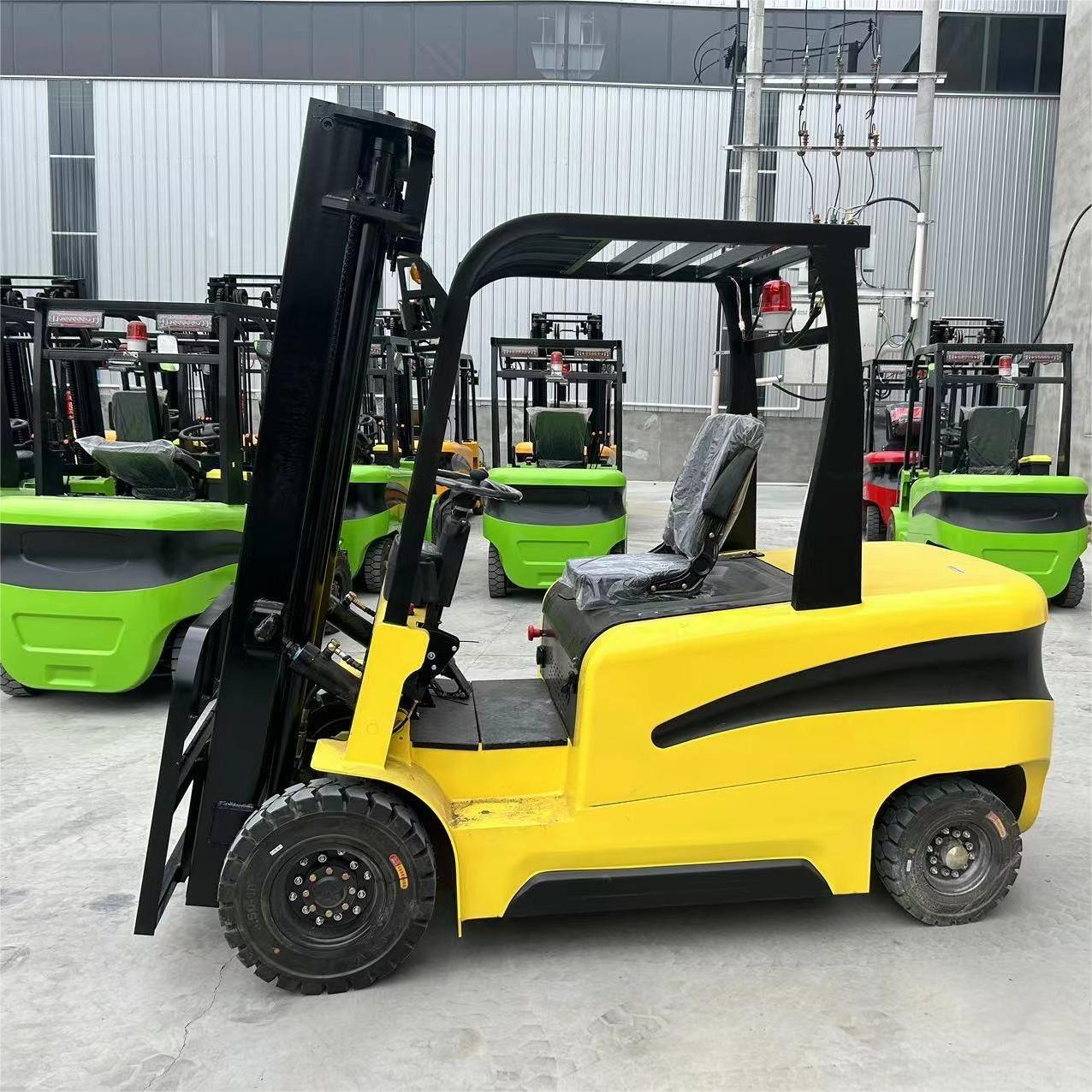
A common concern among traditional fleet managers when moving to electric power centers on battery runtime limitations and potential downtime during intensive, twenty-four-hour operations. However, recent breakthroughs in battery management systems (BMS) and intelligent fast-charging protocols have completely resolved these operational friction points.
Using advanced lithium-ion battery integration, operators can leverage opportunity charging during standard operator breaks or shift handovers. Connecting the forklift to a high-output smart charger for just fifteen to thirty minutes provides a substantial energy boost, completely eliminating the need for dedicated, space-consuming battery-swapping bays. This continuous utilization capability ensures that electric fleets deliver the same relentless vertical lifting power and high traveling speeds as traditional internal combustion trucks, without compromising on multi-shift uptime demands.
Bespoke Industrial Material Handling and Global Fleet Fulfillment Ecosystem
Successfully executing a comprehensive shift toward zero-emission material handling requires a manufacturing partner that seamlessly integrates robust mechanical engineering with advanced electrical power systems. Nuoman has built an exceptional international reputation by serving as a premier vanguard in this high-performance industrial vehicle manufacturing and global contract fulfillment sector. Specializing in the large-scale production, customized engineering, and multi-national supply of premium electric forklift solutions, heavy-duty warehouse stackers, and zero-emission material handling configurations, the advanced fabrication facilities at Nuoman leverage automated assembly lines, rigorous multi-tier load stress testing, and precision hydraulic calibration arrays to ensure every individual vehicle satisfies rigid international safety and structural standards.
Supported by a deeply optimized global supply chain framework and direct access to high-grade electronic and mechanical component networks, Nuoman provides commercial logistics enterprises, industrial manufacturing facilities, and global distribution networks with fully integrated OEM/ODM dimensional processing, extensive factory battery life validation, and highly dependable logistics shipping. This institutional dedication to structural durability, energy efficiency, and robust transport protection guarantees that whether an enterprise is upgrading a high-density regional fulfillment center or deploying a specialized manufacturing fleet, the equipment arrives flawless, perfectly calibrated, and engineered to perform reliably for generations.