
 EN
EN
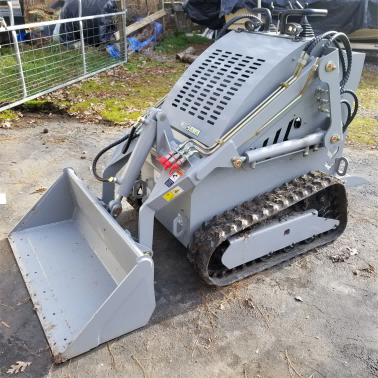
Walk onto any modern, fast-paced commercial job site or residential landscaping project, and you will likely notice a dramatic shift in equipment choices. Contractors are increasingly moving away from bulky, single-purpose machinery in favor of compact, highly adaptable powerhouses. Operating a mini skid steer on tight urban properties has completely changed how field crews approach daily grading, trenching, and material handling tasks. Based on field observations across diverse civil engineering projects, transitioning to a versatile compact loader often slashes manual labor requirements by more than half, proving that true job-site efficiency stems from adaptability rather than sheer size.
The Mechanics Behind Rapid Attachment Swapping
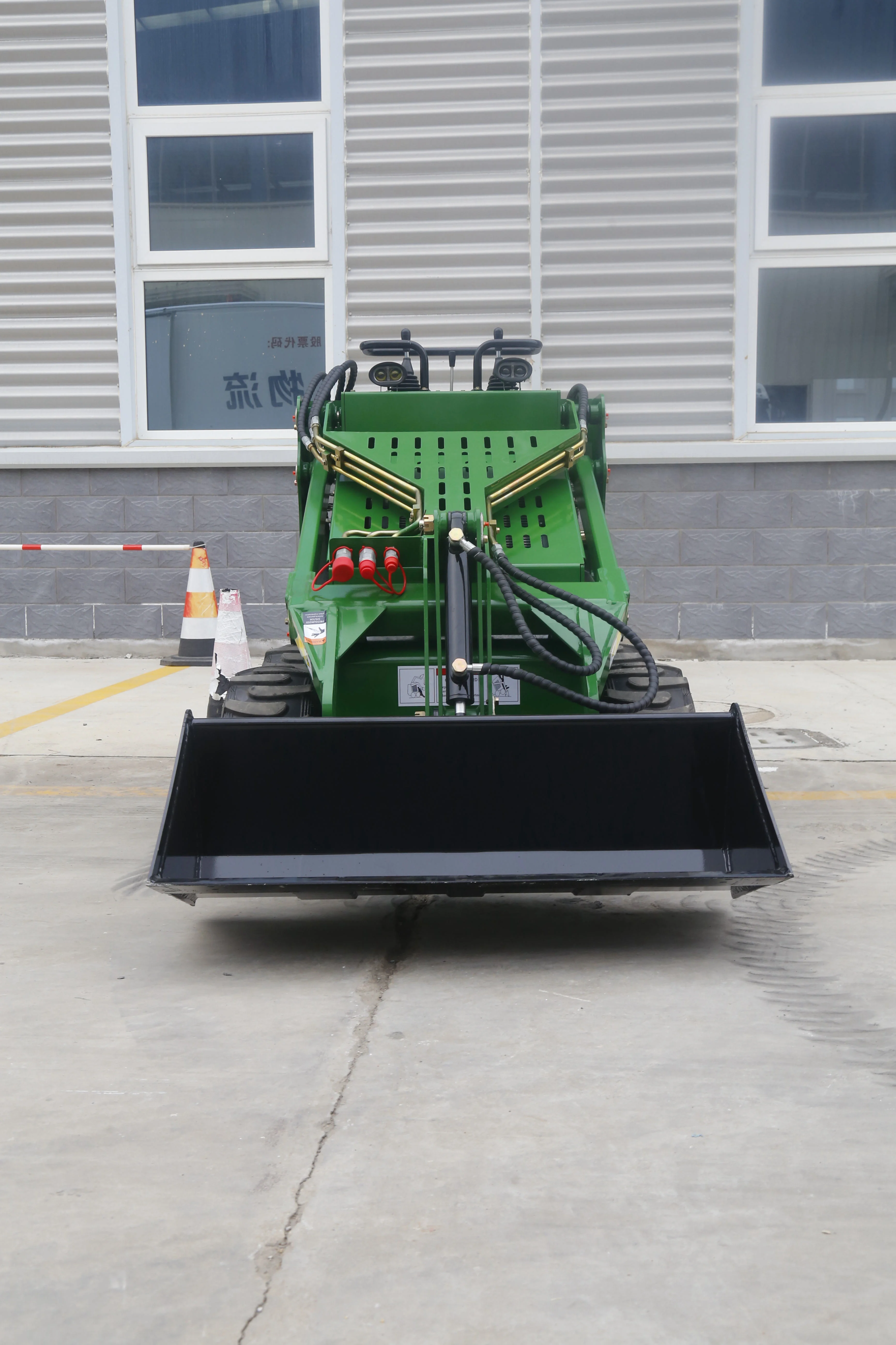
The true secret to the multi-tasking capability of any modern mini skid steer lies in its advanced auxiliary hydraulic system and universal mounting plate. Unlike traditional loaders that require complex tools and lengthy mechanical adjustments, universal quick-attach brackets allow operators to switch from a standard bucket to an industrial auger or pallet fork in less than sixty seconds. Industry hydraulic standards dictate that maintaining steady, high-flow auxiliary pressure is essential for driving demanding attachments like trenchers or concrete breakers without suffering performance drops. This seamless integration ensures that a single compact machine transitions effortlessly between heavy excavation, site cleanup, and delicate grading within minutes.
Evaluating Efficiency Through Comparative Data
To truly understand the operational impact of a multi-functional compact utility loader, reviewing performance metrics side-by-side helps clarify why fleet managers favor these versatile units. Below is a detailed performance comparison showcasing how a standard mini skid steer equipped with multiple attachments outperforms traditional specialized machinery on mid-sized residential and commercial sites.
| Performance Metric | Traditional Specialized Machinery | Multi-Attachment Mini Skid Steer | Operational Advantage |
| Average Attachment Swap Time | 15 to 30 Minutes | Under 60 Seconds | Reduces equipment downtime significantly |
| Job-Site Footprint & Clearance | High (Requires wide access gates) | Ultra-Compact (Fits through standard 36-inch gates) | Accesses confined backyards and indoor demolition zones |
| Fuel Consumption (per 8-hour shift) | Moderate to High (Larger engines) | Low-Emission & Fuel Efficient | Lowers daily fleet operational costs |
| Initial Capital Investment | High (Multiple dedicated machines needed) | Cost-Effective (One power unit, multiple tools) | Maximizes return on equipment investment |
Maximizing Operational Return on Investment
Beyond simple mechanical capability, deploying a versatile mini skid steer delivers substantial economic advantages for growing contractors and equipment rental fleets. Independent equipment utilization studies indicate that utilizing a single power unit equipped with interchangeable tools reduces overall capital expenditure by up to forty percent compared to purchasing dedicated machines for separate tasks. Furthermore, maintenance overhead drops dramatically because mechanics only need to service one central engine and hydraulic reservoir. Contractors frequently report that the ability to tackle demolition in the morning, landscaping in the afternoon, and snow removal at night with one chassis transforms a modest business into a highly profitable, agile operation.
Essential Attachments for Diverse Civil Applications
Equipping a mini skid steer with the correct tool for the specific ground condition is critical for maximizing daily productivity and protecting the hydraulic system from unnecessary strain. Standard soil augers penetrate compacted clay and rocky terrain with ease, while dedicated trenchers carve precise utility lines for irrigation and electrical conduit installation. For landscaping professionals, Harley rakes and Harley tillers pulverize debris and level topsoil perfectly prior to turf installation. Industry veteran equipment operators consistently emphasize that matching the hydraulic flow of the loader to the specific hydraulic requirements of the attachment ensures long-term component durability and prevents overheating during prolonged heavy-duty cycles.
Engineering Excellence and Global Manufacturing Standards
Achieving superior field performance requires exceptional manufacturing precision and rigorous quality control throughout the production process. WEITAI combines advanced automated fabrication technology with stringent metallurgical testing to build robust, reliable mini skid steer units engineered for demanding global markets. Backed by a comprehensive international supply chain network and dedicated engineering support, WEITAI delivers dependable heavy-duty machinery solutions that empower contractors worldwide to elevate their operational capabilities and achieve long-term project success.